This is the third episode with our special guest Hans Heinz. He demonstrates to us why the coconut tree is the “tree of life”. He shows us what he is able to make from the coconut trees.
You can find Hans and his coconuts at the farmer’s market in Kaka’ako on Saturday morning and the Kailua Farmer’s on Sunday morning. He is also for hire if you have a coconut tree that needs to be harvested! You can contact him at hanzinfiber@yahoo.com. In addition to harvesting coconuts, he also practices massage and chinese medicine.
In this episode, Hans opens some coconuts for us. The younger coconuts have more coconut water but less meat (and softer meat). The older coconuts have less water but more meat (that is firmer). Stay tuned for future episodes to find out what can be made with the coconuts! You can find Hans and his coconuts at the farmer’s market in Kaka’ako on Saturday morning and the Kailua Farmer’s on Sunday morning. He is also for hire if you have a coconut tree that needs to be harvested! You can contact him at hanzinfiber@yahoo.com. In addition to harvesting coconuts, he also practices massage and chinese medicine.
A lot of people I see in the Emergency Room suffer from gout. Gout is an arthritis which causes attacks of painful inflammation in joints. Gout is caused by an excess of uric acid in the blood. Uric acid is produced in the body through the breakdown of purines, compounds that are found in high amounts in certain foods such as meat, poultry and seafood. Other risk factors for gout include:
Gender: Men produce more uric acid than women, though women’s levels of uric acid approach those of men after the menopause
Family History or genetics
Chronic lead exposure has been linked to some cases of gout
Certain medications, like diuretics and salicylate, can increase the levels of uric acid in the body
Obesity: Being overweight increases the risk of gout as there is more turnover of body tissue, resulting in more production of uric acid as a metabolic waste product. Higher body fat also increase inflammation.
Renal insufficiency and other kidney problems can reduce the body’s ability to efficiently remove waste products, such as uric acid.
Lifestyle choices: alcohol consumption interferes with the removal of uric acid from the body and eating a high-purine diet . We will talk about how to make positive lifestyle changes for gout (below).(4)
Here are some common medications people are given for gout, with mechanism of action and side effects:
Allopurinol: reduces the production of uric acid by inhibiting the biochemical reactions immediately preceding its formation. The most common reactions are
Gastrointestinal: diarrhea, nausea, or an increase in liver function enzymes
Acute attacks of gout!
Rashes
There are also a host of other possible side effects that are more rare.(2)
Colchicine: Exactly how colchicine works is not known. However, it may affect certain proteins in the body, which may relieve gout. Similar to allopurinol, common side effects are gastrointestinal such as nausea, vomiting and diarrhea. There are other possible side effects including acute renal failure. (3)
Indomethacin: Indomethacin is a nonsteroidal anti-inflammatory drug (NSAID). Indomethacin reduces hormones that cause inflammation and pain in the body. Commonly reported side effects of indomethacin include headache. Other side effects include dizziness, dyspepsia, hyponatremia, and nausea. There are a lot of other possible side effects (similar to side effects of other NSAIDS) including gastrointestinal bleeding.(4)
Ray decided to forego all these medications and their possible side effects and opted for dietary changes, and he is without pain. Thank you, Ray for sharing your story to inspire others to make positive changes in their life.
(1) Mcintosh, James. “Gout: Causes, Symptoms, and Treatments.” MedicalNewsToday.com. MediLexicon International, Ltd. 24 July 2015. Web. Accessed 24 December 2015. <http://www.medicalnewstoday.com/articles/144827.php>.
(2) “Allopurinol” Drugs.com Web. Accessed 24 December 2015. <http://www.drugs.com/pro/allopurinol.html>
(3) “Colchicine.” Drugs.com. Web. Accessed 24 December 2015. <http://www.drugs.com/sfx/colchicine-side-effects.html>.
(4) “Indomethacin.” Drugs.com. Web. Accessed 24 December 2015. <http://www.drugs.com/mtm/indomethacin.html>.
Hans Heinz shows us how he safely climbs coconut trees without damaging them. You can find Hans at the Kakaako Farmer’s Market on Saturday and the Kailua Farmer’s Market on Sunday selling his sustainable coconuts! He is also for hire if you have a coconut tree that needs to be harvested! You can contact him at hanzinfiber@yahoo.com. In addition to harvesting coconuts, he also practices massage and chinese medicine.
Cut dragonfruit in half. Then scoop out the inside into blender. (I have a vitamix). Add one cup of strawberries (frozen preferably). Add 1 banana. Then add 1 cup of rice, almond, or coconut milk. I use coconut milk,but if you do not want to consume saturated fat, you can use almond or rice milk. (Please refer to previous “easy acai bowl” episode for more information. Blend on high power. Then pour into bowl. You can make it in the breakfast criminal heart bowl (which I bought on amazon) for your loved ones! Then decorate it with whatever fruits you want and granola. In this episode, I use one banana (sliced) and granola to make it easy. Other suggestions are: chia seeds, shredded coconut, kiwi, fresh strawberries…
Nutrition Information:
Dragonfruit:
100g serving of dragonfruit has only 60 calories: 18 calories from fat (all unsaturated), 8 calories from protein and 34 calories from carbohydrates. (2) Dragon fruit has lots of dietary fiber with almost 1g of fiber per 100g of the fresh dragon fruit. (1)
Dragon fruit is a good natural source of anti-oxidants which help to prevent the dangers of free radicals which can cause cancer and other undesirable health detriments. Dragonfruit is rich in Vitamin C.(1) Vitamin C strengthens the immune system and helps fight against respiratory disorders. It is good for treating acne. Take a quarter of dragon fruit and make a smooth paste out of it, apply it on affected area. Rinse off with water once it gets dry. Apply twice daily. Dragon fruit juice also works well on color treated hair. Apply some dragon fruit juice on your scalp. Wait 15-20 minutes. Wash your hair with shampoo.(1)
Dragonfruits do not contain cholesterol, unhealthy saturated fat and trans fat. The seeds of dragonfruits are high in polyunsaturated fatty acids (omega-3 and omega-6 fatty acids) that reduce triglycerides and lower cardiovascular disease risk. 50% of the seeds were made up of an essential fatty acid, oleic acid, that helps lower bad cholesterol and raise good cholesterol.(1)
*Ingestion of significant amounts of red-fleshed dragon fruit may result in a reddish coloration of the urine and feces.(1)
Strawberries:
There are many benefits of consuming strawberries. Anthocyanins, a class of flavonoids found in berries, reduces the risk of heart attack and strokes. Quercetin, a flavinoid in strawberries is a natural anti-inflammatory that appears to reduce the risk of clogged arteries and protect against the damage caused by low-density lipoprotein (LDL) cholesterol. Quercetin, in strawberries, may help to improve allergy symptoms, such as runny nose, watery eyes and hives.(3)
The high polyphenol content may also decrease the risk of heart disease by preventing platelet build-up and reducing blood pressure. Other studies have shown eating strawberries helps to lower homocysteine levels, an amino acid associated with damaging arterial lining. (3)
Strawberries are high in potassium, recommended to those with high blood pressure to help counter the effects of sodium in the body. Apparently, low potassium is as much of a risk factor in developing high blood pressure as a high sodium. Fewer than 2% of US adults meet the daily 4700 mg recommendation for potassium.(3)
Strawberries, like other fruits, contain antioxidants that work against free radicals which cause cancer. Like other fruits strawberry is also high in water content and fiber which helps prevent constipation. Strawberries are a wonderful food for diabetics since they have a low glycemic index and are high in fiber, which helps to regulate blood sugar. Eating strawberries can help reduce diabetic complications, like kidney disease and neuropathy.(3)
Strawberries also contain folate which is essential for pregnant women to prevent neural tube defects in their offspring. It may also help with depression by preventing an excess of homocysteine from forming in the body, which can prevent blood and other nutrients from reaching the brain and interfere with the production of serotonin, dopamine, and norepinephrine, which regulate mood, sleep and appetite.(3)
Bananas: Please see oatmeal raisin bites blog entry for nutritional information on bananas.
Granola: Please see previous post “easy acai bowl” for information on granola
Coconut: Please see previous post “easy acai bowl for information on granola
References:
(1) Nayyar, Namita. “Queen of the night is a super fruit.” Women Fitness. 27 February 2014. Women fitness.net. Web. Accessed 2015 December 16. <http://www.womenfitness.net/dragonFruit_queen.htm>.
(2)”Dragonfruit.” Naturalfoodbenefits.com. Web. Accessed 2015 December 16. <http://www.naturalfoodbenefits.com/display.asp?CAT=1&ID=41>.
(3)Ware, Megan. “Strawberries: Health Benefits, Nutritional Breakdown.” MNT. Medical News Lexicon, International. 28 September 2015. Web. Accessed 2015 December 16. <http://www.medicalnewstoday.com/articles/271285.php>.
In this episode, I make an acai bowl. If you have been buying acai bowls all over, you do not need to anymore because you can easily make it yourself! I like to sometimes have an acai bowl for breakfast or a snack. It’s a delicious way to get fiber in your diet!
If you are concerned about the saturated fat in coconut milk, you can use rice or almond milk instead. Though almonds have saturated fat, the almond milk you buy in the store in which they filter out the sediment (which likely contains the saturated fat), does not have saturated fat. If you do not have any of the non-dairy milk, you can use almonds.
When you are done pouring the mixture into the bowl, you can add whatever garnish you like. In this video, I add banana and granola, but other possibilities are hemp seeds, strawberries, and kiwi.
Nutritional information
Bananas: Please refer to oatmeal raisin bites blog for more information on bananas.
Blueberries: Please refer to granola fig bar for more information on blueberries.
Acai: Acai berries are high in antioxidants. They are very high in anthocyanin, which is found in red wine. They are a plant antioxidant that lowers cholesterol levels. They also contain plant sterols which have cardio-protective benefits such as preventing blood clots and improving circulation by relaxing blood vessels. The National Institutes of Aging found that the acai berry was able to reduce the harmful effects of a high fat diet (in flies). Brazilians have used acai berries to treat skin conditions. Acai is high in vitamin C and ellagic acid which reduce the growth of cancer. They may also slow the process of aging. Lastly, acai has been shown to increase sex drive in men and prevent mental instability in menopausal women. (1)
Coconut Milk: Coconut milk is not the same as coconut water. I will go over how to make coconut milk with the pulp in another episode, but here I will talk about some of the benefits of coconuts.
Coconuts are high in fiber. They are also rich in many vitamins such as C, E, B1 B3, B5, and B6. Vitamin B1 is thiamine and keeps mucous membranes healthy. B3 is niacin which plays a role in liver and gland function. B5 (pantothenic acid) improves asthma, hair loss, stress, respiratory and heart problems, as well as boosting immunity. Vitamin B6 or pyridoxine is involved in making serotonin and norepinephrine, chemicals that transmit signals int he brain. Coconuts also contain many minerals like iron (used in red blood cells that carry oxygen in your body), selenium (important for a healthy immune system), sodium (which balances fluid our body), calcium (for your bones), magnesium (which plays a role the body’s enzymatic reactions), and phosphorous which maintains acid-base balance in the body.(2)
Granola: Granola is traditionally made of rolled oats. You can check out the oatmeal raisin bites episode to learn more about the benefits of oats. I will be making granola on a future episode. Stay tuned!
References:
(1) Group, Edward. “Twelve Health Benefits of Acai Berries.” Global Healing Center. 14 June 2010. Web. Accessed 8 December 2015. <www.globalhealingcenter.com/natural-health/benefits-of-acai/>.
(2) Lewin, Jo. ‘The health benefits of…coconut milk.” good food. BBC Worldwide. Web. Accessed 8 December 2015. <www.bbcgoodfood.com/hoto/guide/ingredient-focus-coconut-milk>.
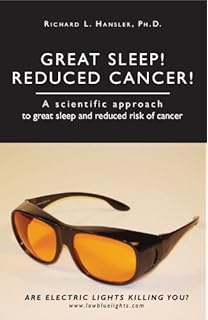
This is the first in a series of blogs I will have of insomnia. In this first blog, I am going to do a book review of the book above. It is only 99 cents on amazon if you have a kindle!
The book starts out talking about how night shift nurses were found to have a higher incidence of breast cancer. The author talks about how melatonin suppresses cancer but lack of melatonin causes breast cancer to grow rapidly. Blue light has been found to suppress melatonin. Wearing glasses that block the blue light prevents suppression of melatonin and therefore may reduce the risk of cancer…
Artificial lights were only developed relatively recently in the scheme of human history. Artificial lights contain blue light sources that suppress melatonin. Melatonin is a sleep hormone that makes us feel sleepy. Therefore, if we are exposed to blue light, we might have trouble falling asleep since melatonin is not released into our bloodstream. When the eyes are exposed to bright light, melatonin flow is delayed, resetting the circadian clock later. Light in the morning causes the pineal gland (which makes melatonin) to stop releasing it into the blood stream, so you can feel awake.
The author suggests wearing the blue light blocking glasses a couple of hours before you go to bed to stimulate melatonin release, which will help you fall asleep. For night shift workers, he also suggests that they put on the blue-blocking glasses a couple of hours before they fall asleep. To deal with jet lag, one can put on blue-blocking glasses earlier each day to shift to an earlier time zone (eastern time zone) or to adjust to a more western time zone, one can put on the glasses in the morning to delay the circadian rhythm.
The author provides techniques for solving the problem of adolescents waking up late. He suggests giving them the glasses to help them fall asleep earlier. The blue light blocking glasses also can help people suffering from bipolar disease and postpartum depression get more sleep.
For shift workers who need to sleep during the day, some other things they can do would be using black-out curtains and white noise to help them sleep during the day. When they get up to go to the bathroom, they can wear the blue light blocking glasses so they will not inadvertently reset their circadian clock and can get back to sleep easily.
I have these blue light blocking glasses and wear them myself about an hour before I go to sleep. I feel pretty tired within an hour and fall asleep quickly. I wear them on my way home from my night shift (as the sun rises), so the light will not reset my circadian rhythm, and I can fall asleep easier. Check them out in this fun video:
This week I am introducing a new app I found called “Daily Yoga”.
This week I would like to talk about the benefits of a yoga practice:
Improved flexibility
Builds muscle strength
Improves posture- Unfortunately these days, we spend a lot of time leaning over our desks or computers, yoga helps to extend the back and shoulders.
Improves Joint health- You take your joints through their full range of motion when you practice yoga preventing arthritis. Joint cartilage is like a sponge that receives fresh nutrients only when its fluid is squeezed out and a new supply can be soaked up.
Protects your spine if you go through the full range of motion of backbends, forward bends, and twists.
Improves bone health- Weight-bearing exercise strengthens bones and prevents osteoporosis. Many postures in yoga require that you lift your own weight and some help strengthen the arm bones.
Yoga gets your blood flowing- Relaxation exercises in yoga can help your circulation, especially in your hands and feet. Yoga also gets more oxygen to your cells. Yoga also boosts levels of hemoglobin and red blood cells, which carry oxygen to the tissues. It also thins the blood by making platelets less sticky and cutting the level of clot-promoting proteins in the blood, which can decrease in heart attack and stroke risk.
Drains your lymphatic system- When you contract and stretch muscles, move organs around, and come in and out of yoga postures, you increase the drainage of lymph (a viscous fluid rich in immune cells), which helps your body fight infection, destroy cancer cells, and dispose of waste products of cells.
Increases aerobic endurance-When you get your heart rate into the aerobic range, you lower your risk of heart attack. Flow or vigorous classes can boost your heart rate into aerobic range. Yoga has been found to lower the resting heart rate, increase endurance, and improve your maximum uptake of oxygen during exercise.
Yoga can help decrease your blood pressure
Lowers the levels of the stress hormone cortisol- High levels of cortisol are linked to depression, osteoporosis, high blood pressure, and insulin resistance and “food-seeking behavior” . The body takes those extra calories and distributes them as fat in the abdomen!
Improves depression by increasing serotonin and decreasing monoamine oxidase and cortisol.
May help you lose weight since it burns calories like other forms of exercise
Lowers blood sugar in diabetics by lowering cortisol and adrenaline levels
Lowers LDL (bad) cholesterol and boosts HDL (good) cholesterol
Improves focus- Yoga practice improves coordination, reaction time, memory, and even IQ!
Aids relaxation- Yoga helps slow breathing, and encourages focusing on the present, shifting the balance from the sympathetic nervous system to the parasympathetic nervous system, lowering respiratory and heart rates, decreasing blood pressure, and increasing blood flow to the intestines and reproductive organs
Improves balance
Releases tension in your body
Relieves stress which can decrease your risk for irritable bowel syndrome, ulcers, migraines, lupus, insomnia, heart attacks, and other diseases related to stress
Improves breathing helping you to take deeper breaths!
Yoga, as with any exercise, can help constipation
Relieves chronic pain syndromes such as arthritis, back pain, fibromyalgia, carpal tunnel syndrome.
Calms your mind like meditation!
May help you lower your medication dosage if you have asthma, high blood pressure, Type II diabetes , or obsessive-compulsive disorder
Supports your fascia (connective tissue)
I think a lot of people could benefit from some daily yoga! In the coming weeks, I will have more videos with yoga and stretching exercises. Stay tuned!
Reference:
McCall, Timothy. “38 Health Benefits of Yoga.” Yoga Journal. Cruz Bay Publishing, Inc. 28 August 2007. Web. Accessed 29 November 2015. <http://www.yogajournal.com/article/health/count-yoga-38-ways-yoga-keeps-fit/>.
I am dedicating this episode to how one can get started with meditating as a daily practice. There are so many resources out there. I recommend starting with 5-15 minutes daily. It will be difficult to clear all the thoughts from your head at first, so you can start with five minutes and go from there. I suggest these podcasts, since this may be an easier way to ease into it. Good luck!
Some of the benefits of meditation include:
Mindfulness can help treat depression, even postpartum depression.
Meditation reduces stress and anxiety, even panic disorder.
Meditation may decrease sleep need.
Meditation can help reduce substance and alcohol abuse.
Meditation improves mental processing, decision-making, mental strength and resilience.
Meditation improves emotional intelligence.
Meditation can relieve pain. People who meditate perceive pain as less than people who do not.
Meditation can help reduce hyperactivity and impulsivity (Attention Deficit Hyperactivity Disorder)
Meditation improves learning, memory, self-awareness, compassion, and introspection.
Meditation has positive effects on creativity.
Meditation reduces blood pressure and the risk of heart disease and stroke.
Meditation decreases inflammation (It has helped in asthma, rheumatoid arthritis, fibromyalgia, and inflammatory bowel disease).
Meditation can reduce the risk of Alzheimer’s disease.
Meditation can help premenstrual symptoms and menopausal symptoms.
Meditation may extend longevity.
Meditation reduces heart rate and respiratory rate.
Meditation decreases feelings of loneliness and increases compassion.
Reference:
Dienstmann, Giovanni, “SCIENTIFIC BENEFITS OF MEDITATION – 76 THINGS YOU MIGHT BE MISSING OUT ON.” Live and Dare: Meditation Blog and Non-sectarian Spirituality. Giovanni Dienstmann. Web. Accessed 28 November 2015. <http://liveanddare.com/benefits-of-meditation/>.
Thanksgiving is a wonderful holiday for us to remember all our blessings! For those of you who do not like eating poultry on thanksgiving, I suggest a veggie loaf. It is easy to create with the “Magic Loaf Studio”! Check it out at veganlunchbox.com. You can make your own loaf with whatever ingredients you have available. In this episode, I show you how to navigate the website and then make my own loaf ! The Magic Loaf Studio makes it easy for everyone to make their own veggie loaf.
Happy thanksgiving!
Ingredient information:
Quinoa:
Quinoa is a versatile grain. You can use it in the place of rice, and it is very high in protein. Protein is made out of amino acids, some essential because we can not produce them and need to get them from the diet. Quinoa is a “complete” protein because it contains all the essential amino acids. It is an excellent plant-based protein source.(1)
Another benefit of quinoa is that it is high in fiber. Quinoa is also high in certain minerals which people lack such as Magnesium, Potassium, Zinc and Iron (for women). By soaking and/or sprouting the quinoa before cooking it, you can reduce the phytic acid (which binds the minerals and reduces absorption) and make these minerals more available. Quinoa is also high in antioxidants which neutralize free radicals and fight aging and disease. Allowing quinoa seeds to sprout increases the antioxidant content even more.(1)
Foods with a high glycemic index stimulate hunger and contribute to obesity and are linked to chronic western diseases like heart disease and diabetes. Quinoa has a low glycemic index, which is a measure of how quickly foods raise blood sugar levels.(1)
Lentils:
Lentils have many health benefits. Lentils are high in fiber, preventing constipation and other diseases in the colon such as diverticulosis and diverticulitis. Fiber traps carbohydrates, slowing down digestion and stabilizing blood sugar levels. Fiber also reduces blood cholesterol, which in turn reduces your risk of heart disease and stroke by keeping your arteries clean. Lentils are also a good source of folate and magnesium. Folate lowers your homocysteine levels, a risk factor for heart disease, and magnesium improves blood flow. Low levels of magnesium have been associated with heart disease. Lentils are also a good source of iron, which transports oxygen throughout your body and is key to energy production and metabolism. About one quarter percent of lentil’s calories are attributed to protein, which makes them a wonderful source of protein. The most wonderful thing about lentils is that they are low in calories and contain virtually no fat, leaving you feeling full and satisfied.(2)
Mushrooms:
One cup of chopped or sliced raw white mushrooms contains 15 calories, no fat, 2 grams of protein, and 2 grams of carbs. Mushrooms help prevent chronic disease due to the presence of antioxidants and beneficial dietary fibers such as chitin and beta-glucans.
Mushrooms have a high antioxidant capacity. They are the only vegan, non-fortified dietary source of vitamin D. Vitamin D in mushrooms has been shown to inhibit the growth of cancer cells. Folate in mushrooms plays an important role in DNA synthesis and repair, preventing the formation of cancer cells. Mushrooms are rich in B vitamins such as riboflavin, folate, thiamine, pantothenic acid, and niacin. Mushrooms also provide minerals difficult to obtain in the diet, such as selenium, potassium, copper, iron, and phosphorus. Selenium is not present in most fruits and vegetables but can be found in mushrooms. It helps detoxify some cancer-causing compounds in the body and prevents inflammation, decreasing tumor growth rates. Mushrooms also contain choline, which helps with sleep, muscle movement, learning and memory. Choline assists in maintaining the structure of cellular membranes, aids in the transmission of nerve impulses, supports proper fat absorption and reduces inflammation.(3)
One cup of grilled portabella mushrooms provides about 3 grams of fiber. Mushrooms contain two types of dietary fibers in their cell walls: beta-glucans and chitin which increase satiety and reduce appetite, making you feel fuller longer, lowering your calorie intake. Beta-glucans have been shown in studies to improve insulin resistance and blood cholesterol levels, lowering the risk of obesity. They also help lower blood cholesterol levels. Since mushrooms are high in potassium and low in sodium, they help lower blood pressure, decreasing the risk of hypertension and cardiovascular diseases.(3)
Carrots:
There are many health benefits of carrots. Carrots contain beta carotene and other antioxidants. Beta-carotene consumption has been linked to a reduced risk of cancer, notably lung cancer. Beta-carotene improves eye health. Research found that people who ate the most amount of beta-carotene had a lower risk of macular degeneration than those who consumed the least. Beta-carotene can also split itself via an enzymatic reaction to form provitamin A, associated with antioxidant capacity in relation to vision. Carotenoids help lower blood sugar, helping diabetics. They regulate the amount of insulin and glucose that is being used and metabolized by the body, providing a more even fluctuation for diabetic patients.(4)
Carrots also contain vitamin A. Vitamin A deficiency can cause difficulty seeing in dim light. Therefore, carrots are good for preventing conditions like night blindness. Carrots contain Vitamin C, which stimulates the activity of white blood cells, an important element in the immune system. They also contain Vitamin K, vitamin B8, pantothenic acid, folate, potassium, iron, copper, and manganese.(4)
Eating carrots can help prevent heart disease. Studies have shown that cholesterol levels drop when eating carrots . Studies have found that root vegetables, such as carrots, can reduce the chances of having a heart attack as well. Carrots are a good source of potassium, which can relax your blood vessels and arteries, increasing blood flow, boosting organ function throughout the body, and reducing the stress on the cardiovascular system. Eating carrots reduces stroke as well. In addition, stroke patients with highest levels of beta carotene had the highest survival rate.($)
Carrots, like most vegetables, have significant amounts of fiber. Fiber protects your colon and stomach from illnesses, including colorectal cancer. Another study shows that women who ate raw carrots were less likely to develop breast cancer than women who did not eat carrots. Further research into the application of both carrots and beta-carotene in relation to other forms of cancer is ongoing. It also boosts heart health by eliminating excess LDL cholesterol from the walls of blood vessels.(4)
Garlic:
The combination of anti-inflammatory and anti-oxidant compounds in garlic makes it a food for preventing atherosclerosis. Garlic lowers blood triglycerides and total cholesterol. Garlic has also been found to lower blood pressure. Allicin in garlic blocks the activity of angiotensin II, helping prevent unwanted contraction and increases in blood pressure. In addition, garlic is rich in sulfur-containing molecules called polysulfide, converted into hydrogen sulfide, once inside our red blood cells, triggering dilation of our blood vessels, reducing blood pressure. (5)
In addition to the ability of garlic to help prevent our blood vessels from becoming blocked, it may also be able to help prevent clots from forming inside of our blood vessels. Garlic contains Ajoene which can help prevent certain cells in our blood (called platelets) from becoming too sticky, lowering the risk of them clumping together and forming a clot.(5)
Garlic is also an excellent source of vitamin C, which protects protects LDL cholesterol from oxidation into free radicals in the bloodstream. Garlic’s vitamin B6 helps prevent heart disease by lowering levels of homocysteine, which can directly damage blood vessel walls. Garlic is rich in selenium, a a cofactor of glutathione peroxidase, one of the body’s most important antioxidant enzymes. (5)
Our musculoskeletal system and respiratory system can also benefit from anti-inflammatory compounds in garlic, shown to have anti-arthritic properties. And in the case of allergic airway inflammation, aged garlic extract has been show to improve inflammatory conditions. Some inflammatory aspects of obesity may be altered by sulfur-containing compounds in garlic. Recent research has shown the ability of crushed fresh garlic to help prevent infection by the bacteria, fungi, and yeast. (5)
Garlic has a consistent track record for general anti-cancer benefits. A high intake of garlic has been found to lower risk of virtually all cancer types except cancer of the prostate and breast cancer. (5)
Oregano:
Oregano is a great source of antioxidants and Vitamin K, which promotes bone growth, the maintenance of bone density, and the production of blood clotting proteins. It has been shown to have antimicrobial activity in several studies. In one study, oregano oil even killed Methicillin Resistant Staph Aureus! Beta-caryophyllin (E-BCP) in oregano may possibly be of use against disorders such as osteoporis and arteriosclerosis.There has been research that shows components oregano may help slow down or prevent the progression of breast cancer in patients. Oregano has been used to treat respiratory tract disorders, gastrointestinaldisorders, menstrual cramps, and urinary tract disorders. It has also beenapplied topically to help treat a number of skin conditions, like acne and dandruff. Other nutrients in oregano include: fiber, iron, manganese, vitamin E, iron, calcium, omega fatty acids, manganese, and tryptophan.(6)
(1) Gunnars, Kris. “11 Proven Health Benefits of Quinoa.” Authority Nutrition: An evidenced-based approach. Authority Nutrition.com. July 2014. Web. Accessed 28 November 2015. <http://authoritynutrition.com/11-proven-benefits-of-quinoa/>.
(2) Wilcox, Julie. “7 Health Benefits of Lentils.” MindBodyGreen. MindBodyGreen.com. 17 July 2012. Web. Accessed 28 November 2015. <http://www.mindbodygreen.com/0-5488/7-Health-Benefits-of-Lentils.html>.
(3) “Mushrooms: Health Benefits, Nutritional Information.” Medical News Today. Medilexicon International, Ltd. 14 September 2015. Web. Accessed 28 November 2015. <http://www.medicalnewstoday.com/articles/278858.php>.
(4) “Health Benefits of Carrots.” Organic Facts. Organic Information Services Pvt. Ltd. Web. Accessed 28 November 2015. <https://www.organicfacts.net/health-benefits/vegetable/carrots.html>.
(5) “Garlic.” The World’s Healthiest Foods. The George Matejian Foundation. Web. Accessed 28 November 2015. <http://www.whfoods.com/genpage.php?tname=foodspice&dbid=60>.
(6) “Oregano: Health Benefits, Side Effects” Medical News Today. Medilexicon International, Ltd. 29 September 2015. Web. Accessed 28 November 2015. <http://www.medicalnewstoday.com/articles/266259.php>.